How to Choose the Best Outdoor Furniture Material for Your Family
It's almost patio season.
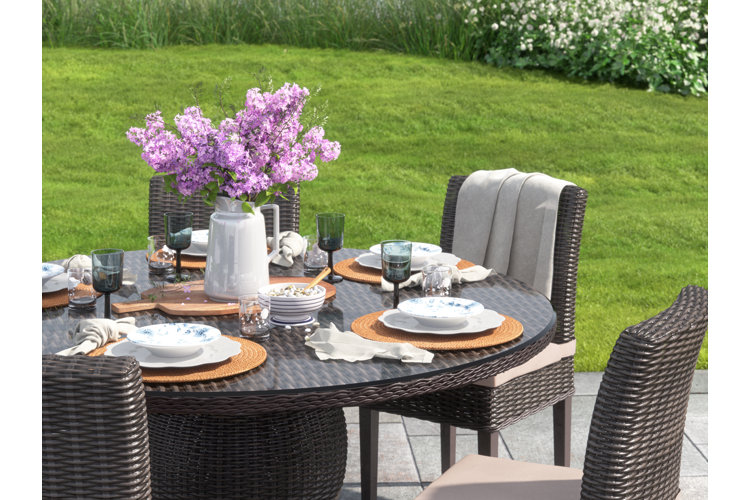
Ready to start refreshing your outdoor spaces? If you're looking for outdoor furniture materials that are comfortable, durable, and made to last, you've come to the right place. Keep reading below for the pros, cons, and care tips for some of our most popular outdoor furniture materials.
Or jump ahead to the info you're looking for:
Wicker Outdoor Furniture
Metal Outdoor Furniture
Wood Outdoor Furniture
Teak Outdoor Furniture
3 of the Best Outdoor Cushion Materials
Wicker Outdoor Furniture
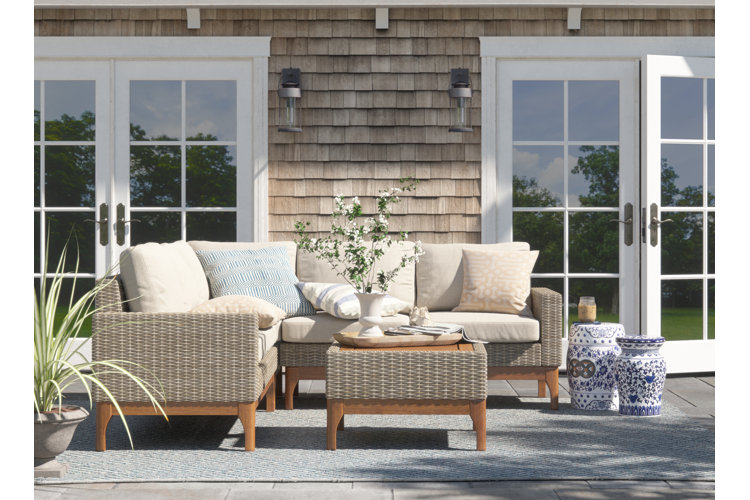
What Is Wicker?
Wicker is a word that describes any type of furniture created with a woven structure. It is most often made with natural materials like reed, cane, or rattan but can also be made with synthetics like resin.
Benefits of Wicker
Wicker is durable, lightweight, flexible, and comfortable, making it one of our favorite outdoor furniture materials. Because it is UV- and water-resistant, synthetic wicker furniture can be kept outdoors even during rainy weather. Wicker is aesthetically pleasing and versatile. Depending on how you style it, wicker can blend seamlessly into any home, whether you live by the ocean or in the mountains.
Things to Consider About Wicker
Natural wicker is not fade- or moisture-resistant, so it needs to be kept inside or in the shade during rainy and extremely sunny days. Wicker can pull at your clothing, so we recommend pairing it with cushions.
How to Care for Wicker
To clean wicker furniture, wipe it down with soap and water and finish with clear furniture polish. Once every year or two, apply a coat of lacquer to protect the furniture. For additional details on caring for wicker furniture, read our guide What is Wicker? to learn more.
Benefits of Metal
Metal is very strong, durable, and made to last. Because metal is heavy, it won't blow in the wind and can stay outside when the weather changes. Some metals, such as cast aluminum, are weather- and rust-resistant. To see if a metal can withstand wet conditions, go down to the Materials tab on-site and select Rust-Resistant Metal.
Things to Consider About Metal
If you live in a humid climate, metal may not be the best choice for your home. Small water droplets can cause metal to rust over time, no matter how careful you are. Metal is not the most comfortable material, and it can get hot in the sun, so you will need to add seat cushions to your chairs.
How to Care for Metal
First, remove any seat cushions or pillows and store them someplace dry. Then spray metal furniture with a garden hose to rid it of debris, and wipe the surfaces with a soft cloth soaked in soapy water. Rinse the furniture off and dry it with a microfiber or lint-free cloth.
Certain metallic furniture (such as wrought iron) can rust over time, so be sure to spray furniture with a protective anti-rust coating. Another tip to prevent metal from rusting is to make sure it doesn't get knicks or scratches. When moving furniture pieces around, be careful not to clash with other metallic pieces.
Benefits of Wood
Wood can withstand rain, direct sunlight, humidity, wind, and extreme temperatures. It doesn't hold the sun's heat, so you can sit comfortably during summer months. Hardwoods are extremely durable, making them an excellent outdoor furniture material.
Things to Consider About Wood
Wood outdoor furniture can be a bit expensive, however, it is made to last and can serve your family for years to come. Wood furniture requires a bit more maintenance than wicker and metal furniture, but if you care for it well it will last a lifetime. See more below.
How to Care for Wood
Use a soft brush to remove any dirt and debris, then clean the surfaces with a sponge or damp cloth and mild dish soap. Use a microfiber or lint-free cloth to soak up excess moisture, and let the wood air-dry. For periods where you aren't using the furniture a lot, place a furniture cover over top to ensure the cushions don't get wet and the wood doesn't warp.
Pro Tip:
Use coasters, placemats, or a tablecloth to avoid getting moisture rings or heat marks on wood furniture.
What Is Teak?
Teak wood comes from a tree called Tectona grandis found in Southeast Asia. They can grow up to 200 feet and were once used to build homes, bridges, and ships. Over time, teak became used for building furniture because of its durability, strength, and resistance to wood rot. It has natural oils and a tight grain, but unlike other woods, it will retain these oils even after it's been felled and processed. Even though teak is technically a type of wood, we felt it deserved its own section because it is one of our favorite materials for creating a cozy home.
Benefits of Teak
Teak is one of the strongest and most durable woods in the world. Because it has a high natural oil content, teak holds up well in rain and direct sunlight. Teak requires very little maintenance and is resistant to mold, rot, and termite damage. It can last anywhere from 75 to 100 years.
Things to Consider About Teak
When left outdoors for a long time, teak will begin to take on a beautiful gray sheen in a process called patination. It's a matter of personal preference whether you keep your teak honey-colored or allow it to turn gray. Teak is superior in many ways, which also makes it one of the more expensive outdoor furniture materials.
How to Care for Teak
Spray teak furniture with a hose to get rid of debris. Then gently scrub the furniture using a soft brush and mild dish soap. Let the cleaning solution sit for 15 minutes, rinse, and let it dry someplace sunny. If you want to avoid the patina look, oil teak furniture once a year. For advice on how to oil teak furniture, read our guide The Many Things We Love About Teak Outdoor Furniture.
Outdoor cushions are great for adding a layer of comfort to your patio furniture. Consider where you're placing the furniture – if it's by the pool or near water, you'll need cushions that are waterproof or water-resistant. Below, you'll find our top three favorite picks for outdoor cushion fabric.
Polyester
Polyester is a strong, durable, and inexpensive fabric. It will not stretch or fade and is resistant to mold and mildew.
Acrylic
Acrylic fabrics are water-resistant (but not waterproof) and easy to clean. The material is also very breathable, allowing the fabric to stay cool in hot weather.
Sunbrella
Sunbrella is an elite performance fabric that is dyed with acrylics, making it resistant to fading, mold, and mildew. It is also completely waterproof and won't discolor from chlorine.
Ready to browse?
