Your Guide to Mixing Patterns: How to Mix Patterns in Home Decor
Find the right balance for your home.
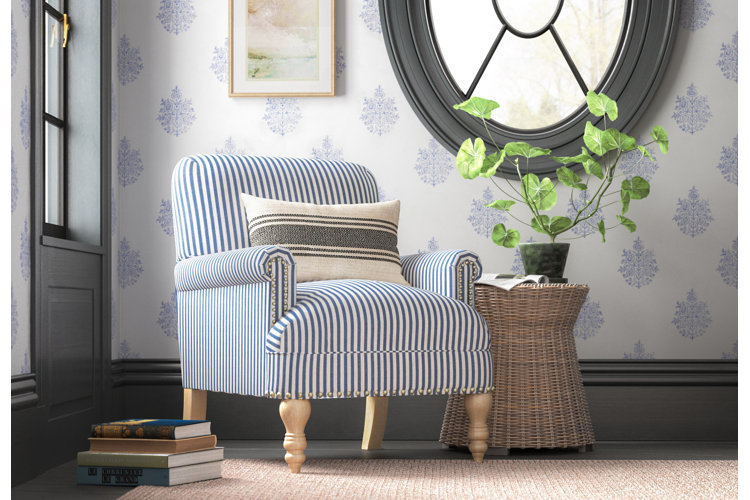
Mixing patterns is one of the best ways to dress up your space and give it a customized feel. Whether you prefer floral prints or classic stripes, there are endless combinations of patterns to suit your style. Not sure how to mix patterns? Keep reading to find simple styling tips to make mixing patterns easy.
Start With One Pattern
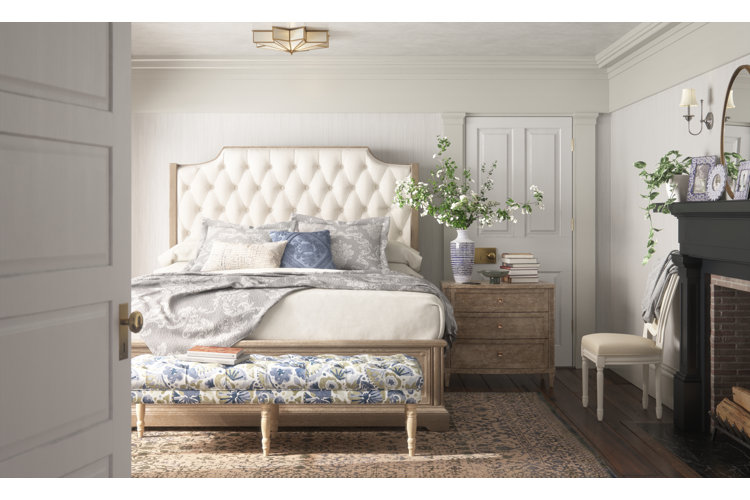
While there is no wrong way to mix patterns, it's best to start with one pattern and build from there. Choose a focal point first, such as bedding or an accent piece, and then begin to incorporate other patterns that complement that focal point for a well-balanced look.
Beginning with a gray damask bedding set, add a gray-patterned area rug in a matching traditional pattern. Incorporate the blue accent color throughout the space with a throw pillow, a set of vases, or a bedroom bench that pops. We love how well the blue accents tie the room together and create a thoughtful design.
One of the simplest ways to mix patterns is to pair a bold design with a subtle one. Whether you start with bold patterned wallpaper or upholstery, choose secondary patterns that are more subdued. Patterns with simple designs and muted colors will complement the primary pattern nicely. Top a pair of striped accent chairs with matching toile throw pillows for a balanced look. We love the combination of subtle clean lines with the eye-catching vintage-inspired pattern.
Establish a color palette to make mixing patterns simple. We suggest choosing one piece and building the color palette around it. We often use an accent piece with multiple colors (like a throw pillow) to draw inspiration. From there, it's easy to pull out a few colors to work with that already complement the accent piece.
For a balanced living room, start with a neutral sofa to build a solid foundation. Place a plush area rug beneath the sofa to warm up the floor and define the seating area. Opt for a rug in a classic pattern for a bit of depth and visual interest. Pulling from the colors of the rug, incorporate accent pieces, such as a few pillows or a cozy throw blanket. We love how the warm chestnut shade of the sofa matches the color of the rug, while the navy damask motifs in the pillows and throw blanket match the navy shade found in the rug design. The warm, nearly-neutral color palette and effortless patterns put together an inviting look.
Scale is an important factor when mixing patterns. We suggest choosing a combination of small patterns, medium patterns, or large patterns to prevent them from clashing.When layering two different types of plaid, pick prints with different scales to keep the two distinct from each other. To play with different scales of a similar pattern, opt for a medium-sized plaid pattern as the main element. Layer a gingham blanket beneath the duvet for a bit of depth. The small scale of the gingham adds a touch of brightness to the classic red-and-black tartan. Finish with solid-colored essentials, such as a fitted white sheet and plush gray pillow shams, to complement the plaid prints.
When mixing patterns, one of the easiest ways to ensure you have a cohesive look is to use patterns that come from a similar aesthetic. Whether you prefer farmhouse designs or traditional style, it's key to find which patterns suit your space best. For coastal spaces, opt for beachy windswept patterns with plenty of stripes and rounded geometric shapes. Traditional style pairs best with florals, paisley, damask, plaid, and toile. Rustic designs often use Southwestern motifs, botanical prints, and woven patterns. Farmhouse patterns typically include stripes, faded florals, and plaid.
Pro Tip:
For even more patterns, layer two area rugs for added depth. Start with a large area rug with a subtle pattern, such as a herringbone weave or a simple stripe. Then place another area rug centered on top. Opt for an area rug with a more distinct pattern or a pop of color to tie the space together.
Using classic patterns like stripes is a great way to start mixing patterns without worrying about visual clutter. Stripes can be used like a solid color and mixed with detailed designs or colorful prints. With clean lines and an endless variety of colors, it's easy to find stripes that complement other patterns. For an elevated guest room design, pair an upholstered headboard with striped bedding. The vertical-striped comforters pair nicely with the repeating paisley headboard and the shiplap walls. Add a throw pillow with horizontal stripes for a finishing touch.
Ready to mix patterns?
