Types of Upholstery Fabric: Cotton vs. Microfiber
Crafted with softness and durability.
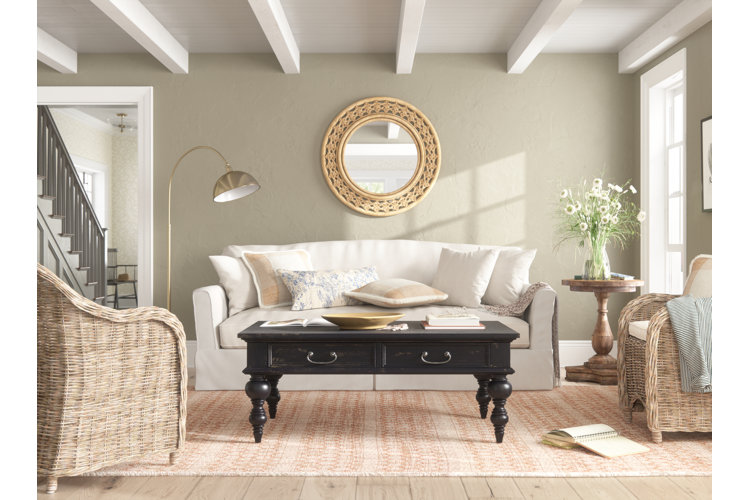
It takes a lot of consideration to choose the right upholstery material for your lifestyle. With plenty of options available, it's important to learn about different types of upholstery fabric before investing in a sofa, sectional, or accent chair. Microfiber and cotton upholstery are both popular choices because of their softness and durability. When comparing "cotton vs. microfiber," there are advantages and disadvantages to each fabric. We outline different ways in which one material would be better suited for your home below.
Use our table of contents to jump to the sections you want to read most:
Cotton Upholstery 101
What Is Cotton Upholstery?
Benefits of Cotton Upholstery
How to Care for Cotton
Microfiber Upholstery 101
What Is Microfiber Upholstery?
Benefits of Microfiber
How to Care for Microfiber
Choosing the Right Fit
Cotton Upholstery 101
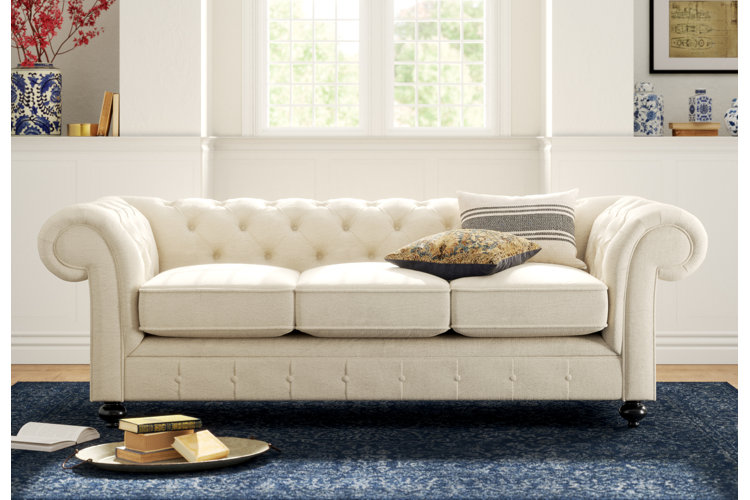
What Is Cotton Upholstery?
As one of the most common types of upholstery fabric, cotton is made for everyday comfort. Cotton upholstery adds a touch of casual ambience to an inviting living room. Cotton is a long, natural fiber woven tightly to create a long-lasting fabric. Compared to other natural fibers, cotton is an affordable option that provides high-quality comfort and durability.
Benefits of Cotton Upholstery
The most common type of cotton upholstery is duck cotton (also known as sailcloth or canvas weave). Duck cotton is incredibly durable and resistant to pilling. The breathable natural fibers wick away excess moisture and keep you cool while the hypoallergenic fabric is safe for those with sensitive skin.
Cotton upholstery is very absorbent and can come in several colors and patterns ranging from floral motifs to classic nautical stripes. As an absorbent material, cotton is more prone to stains than upholstery made with synthetic materials.
Cotton is often combined with a synthetic fiber, such as polyester, to strengthen the fabric and make it last longer. These types of cotton blends are a way to achieve the natural look of cotton upholstery without worrying about stains or wrinkles.
Pro Tip:
Keep cotton upholstery away from direct sunlight to prevent fading, which can weaken the fibers and make them more prone to wear.
How to Care for Cotton Upholstery
With the right care, cotton upholstery lasts for a long time.
Small particles, such as dust or pet hair, can cause upholstery to wear faster. We recommend vacuuming cotton upholstery routinely to keep the fabric looking fresh and to prevent dust from settling into any creases.
Spills can be cleaned with a mild soapy solution made from a small amount of bleach-free dish or laundry detergent and warm water. Use a clean white cloth to gently dab the spot until the stain is lifted. Blot with a damp cloth to remove any excess soap and then dab the spot dry with a paper towel or a dry cloth.
To remove stubborn stains, use a mild water-free solvent to spot-treat small areas. Check the tag from the manufacturer for detailed information on product care.
What Is Microfiber Upholstery?
Like cotton, microfiber is a popular type of upholstery fabric chosen for its softness and durability. The term "microfiber" is used to describe the thinness of the ultra-fine fibers. Microfibers are thinner than any natural fibers, including cotton, silk, or wool.
Microfiber upholstery is typically made from synthetic materials like polyester and nylon. The densely-packed fibers give the fabric the ability to withstand plenty of wear, making it a great choice for homes with children or pets.
Benefits of Microfiber Upholstery
Microfiber is one of the most durable upholstery fabrics, which makes it ideal for everyday use. Microfiber fabric has a smooth suede-like texture that brings lived-in softness to any living space. At a reasonable price, microfiber provides long-lasting comfort and wears well over time.
The closely-knit microfibers create a non-absorbent and water-resistant finish that gives you more time to clean up spills and prevent stains. Microfiber is also hypoallergenic, making this type of upholstery a good option for those who are sensitive to allergens.
Microfiber comes in a large variety of colors ranging from neutral tones to vibrant hues. The blend of synthetic materials adds a fade-resistant quality that keeps colors looking fresh. Unlike cotton upholstery, microfiber upholstery only comes in solid colors.
How to Care for Microfiber Upholstery
As a non-absorbent material, microfiber is easy to care for. We suggest cleaning microfiber upholstery regularly with a vacuum, using an upholstery attachment to get in the corners and beneath any sofa cushions. Regular vacuuming will prevent any damage that could be caused by the build-up of dust or crumbs.
Small spills can be treated by blotting the spill with a soft cloth. While polyester microfiber is naturally stain-resistant, untreated spills can leave water marks and discoloration. For more information on cleaning microfiber upholstery, read our guide What is Microfiber? with tips on how to remove stains.
After learning about the key benefits of cotton vs. microfiber upholstery, there are a few things to consider before shopping for a sofa or sectional.
Lifestyle
As an essential part of the living room, a sofa or sectional should suit your lifestyle. Children and pets play a large factor in choosing upholstery material. Cotton is absorbent and can be more prone to stains than microfiber. Microfiber is also a great option for a home with pets. The close-knit fibers prevent pets from scratching or tearing the fabric.
Space
We suggest thinking about which room you're shopping for. Are you looking for a spacious sectional for the living room or a pair of elegant accent chairs for a more formal seating area? Does microfiber upholstery complement other pieces of living room furniture, or does cotton upholstery suit the space better?
Design
Fabric upholstery adds comfort and style. Cotton and microfiber upholstery both come in a large assortment of colors. Cotton upholstery also comes in different patterns ranging from traditional to more contemporary designs. Microfiber fabric is only available in solid colors, but the synthetic fibers have a fade-resistant quality that keeps colors looking bright.
Maintenance
While both cotton and microfiber upholstery are easy to care for, consider your cleaning routine and which type of upholstery fabric would fit into that schedule. Both types should be vacuumed regularly to avoid excess dust, pet hair, or crumbs that can cause damage over time. Cotton upholstery might require more intensive stain removal than microfiber upholstery.
Pro Tip:
Order free samples to compare the look and feel of different types of upholstery fabric. Use the product filter to find which sofas and sectionals offer samples.
Ready to shop?
